Introduction to the Cuban Missile Crisis
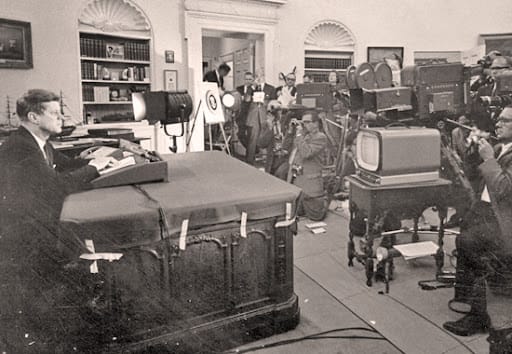
As a passionate history dad, I often find myself reflecting on significant moments that shaped our world. One event that stands out is President John F. Kennedy’s address regarding the Cuban Missile Crisis on October 22, 1962. This televised speech not only stunned the nation but also put the world on high alert.
Uncovering Missile Bases in Cuba
During his speech, Kennedy revealed that U.S. spy planes found Soviet missile bases under construction in Cuba. These bases housed medium-range missiles capable of striking major U.S. cities, including Washington, D.C. The stakes were high, and Kennedy responded decisively.
The U.S. Naval Quarantine
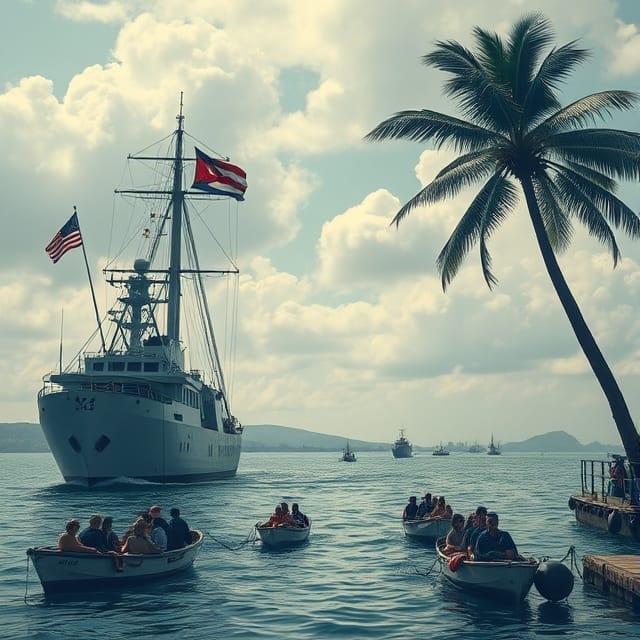
Kennedy ordered a naval “quarantine” of Cuba. This action aimed to prevent any further Soviet shipments of offensive weapons. He clarified that America would not tolerate missile sites in Cuba. The president emphasized that military action was an option to address what he labeled a “clandestine, reckless and provocative threat to world peace.”
The Formation of ExComm
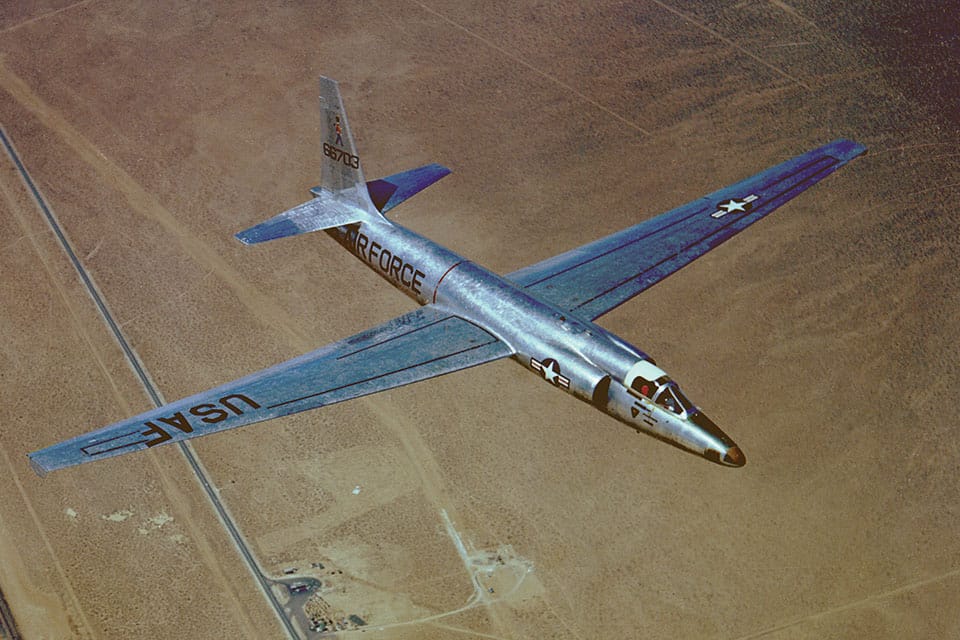
The Cuban Missile Crisis began on October 14, 1962. On that day, U.S. intelligence personnel discovered the missile construction via U-2 spy plane data. The next day, Kennedy convened an emergency meeting with his senior advisors. Known as ExComm, this group rejected a surgical airstrike and opted for a naval quarantine instead.
A Tense Seven Days
On October 22, Kennedy went live on national television. He detailed the U.S. actions and the urgent situation at hand. Over the next week, tensions escalated dramatically. By October 23, the quarantine had officially begun. Contradicting initial estimations, Soviet ships slowed or changed course as they approached the quarantine zone.
Global Appeals and Military Readiness
U.N. Secretary-General U Thant urged both nations to avoid actions that could lead to war. Meanwhile, U.S. military forces went to DEFCON 2, the highest military alert in the postwar era. Commanders braced for possible war.
Close Calls and Negotiations
On October 25, U.S. Navy ships intercepted the Soviet tanker Bucharest, but they opted against aggression. The following days brought even more uncertainty. On October 26, missile base operations were ongoing, yet ExComm contemplated invading Cuba. Incredibly, that same day, the Soviets proposed removing the missile bases in exchange for a U.S. non-invasion pledge.
Heightened Tensions
The situation escalated dramatically when, on October 27, a U-2 spy plane was shot down over Cuba, leading to the death of pilot Major Rudolf Anderson. Concerned, Kennedy allowed no military retaliation, even under growing pressure. He and his advisors chose to dismantle U.S. missile sites in Turkey later, avoiding an immediate diplomatic crisis.
Conclusion: A Narrow Escape
Finally, on October 28, Khrushchev announced the removal of Soviet weapons from Cuba. The crisis ended, but it profoundly changed U.S.-Cuban relations. While many viewed the crisis as a victory, Cuba felt a newfound sense of security. The resulting tensions led the USSR to ramp up its nuclear program, impacting history for decades.
In the years that followed, U.S. administrations respected Kennedy’s pledge not to invade Cuba. The relationship remained complicated for over 50 years. In 2015, both nations took steps towards normalizing relations, easing long-held tensions.
Reflecting on History
The Cuban Missile Crisis stands as a crucial moment in history, demonstrating how close we came to global catastrophe. Understanding these events can help us appreciate the complexities of today’s world.